Making every drop count: Bodabhai’s journey to Water Security
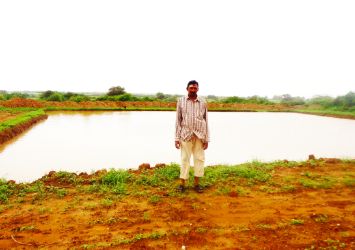
Ghadechi village, in the arid region of Okhamandal block in Gujarat, faces significant water scarcity, particularly for drinking purposes. Like many families in the area, 38-year-old Chanpa Ranabhai Bodabhai’s household was solely dependent on a borewell located in their farmland for water supply related to drinking, domestic use, and agricultural needs. The absence of a water storage facility at home meant frequent trips by his young daughters—often four to five times a day to fetch water. Such trips not only impacted their physical health but also disrupted their education.
The family’s reliance on borewell water brought several challenges. Apart from the physical strain on the daughters, the water was not always clean, leading to recurring waterborne illnesses. These health issues resulted in medical expenses, further straining the family's limited income. Despite Ranabhai's efforts, the challenges of managing the lack of safe and easily accessible water remained a major obstacle.
TCSRD Intervention
Roof Rain Water Harvesting Structure (RRWHS)
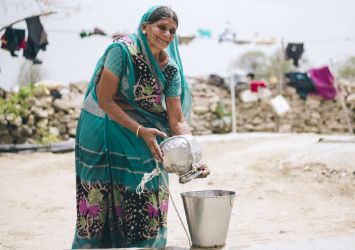
In FY 2021–22, Ranabhai learnt about the RRWHS scheme, supported by TCSRD. The initiative aimed to improve household water security in vulnerable communities through sustainable rainwater harvesting solutions.
After applying for the scheme, a TCSRD representative visited his home to assess the situation and explain the technical and financial details. This information included the structure's design, material requirements, and a cost-sharing model between him and TCSRD.
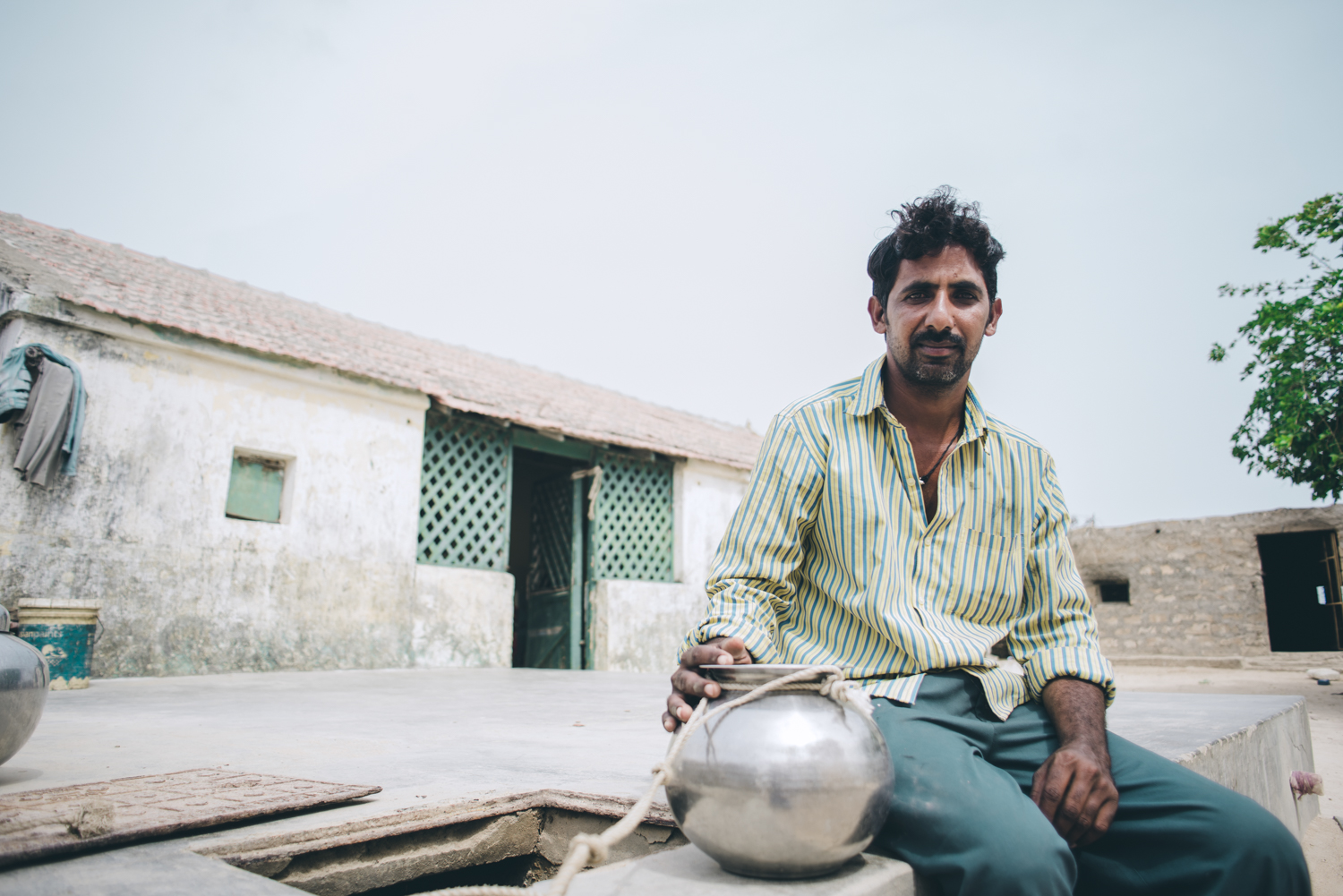
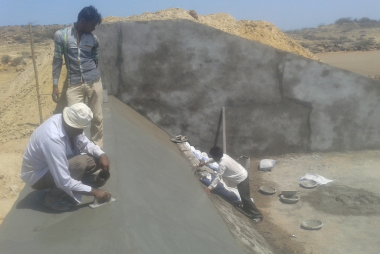
He promptly contributed towards his share and procured the necessary materials. A 10,000-litre storage capacity RRWHS was constructed adjacent to his house with the support and guidance of the TCSRD team.
Outcome
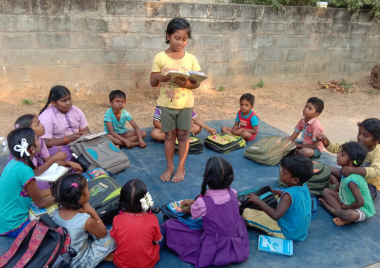
The RRWHS has been a transformative addition to the Bodabhai’s household. During the monsoon, it collects and stores clean rainwater, which now lasts for 9 to 10 months and is used exclusively for drinking. This arrangement has drastically reduced their dependence on borewell water and eliminated the daily water-fetching trips. His daughters now have more time for their studies and recreation, and the family experiences fewer illnesses.
The implementation of the RRWHS initiative not only addressed a critical drinking water security issue but also helped lead to other benefits like reduced instances of illness, access to education, and economic resilience. Through community collaboration and sustainable interventions, TCSRD continues to bring lasting positive change to rural households.